
Scalp Envy SMP Studios
Scalp micropigmentation provider in Whitby, Ontario
5.0(7 reviews)
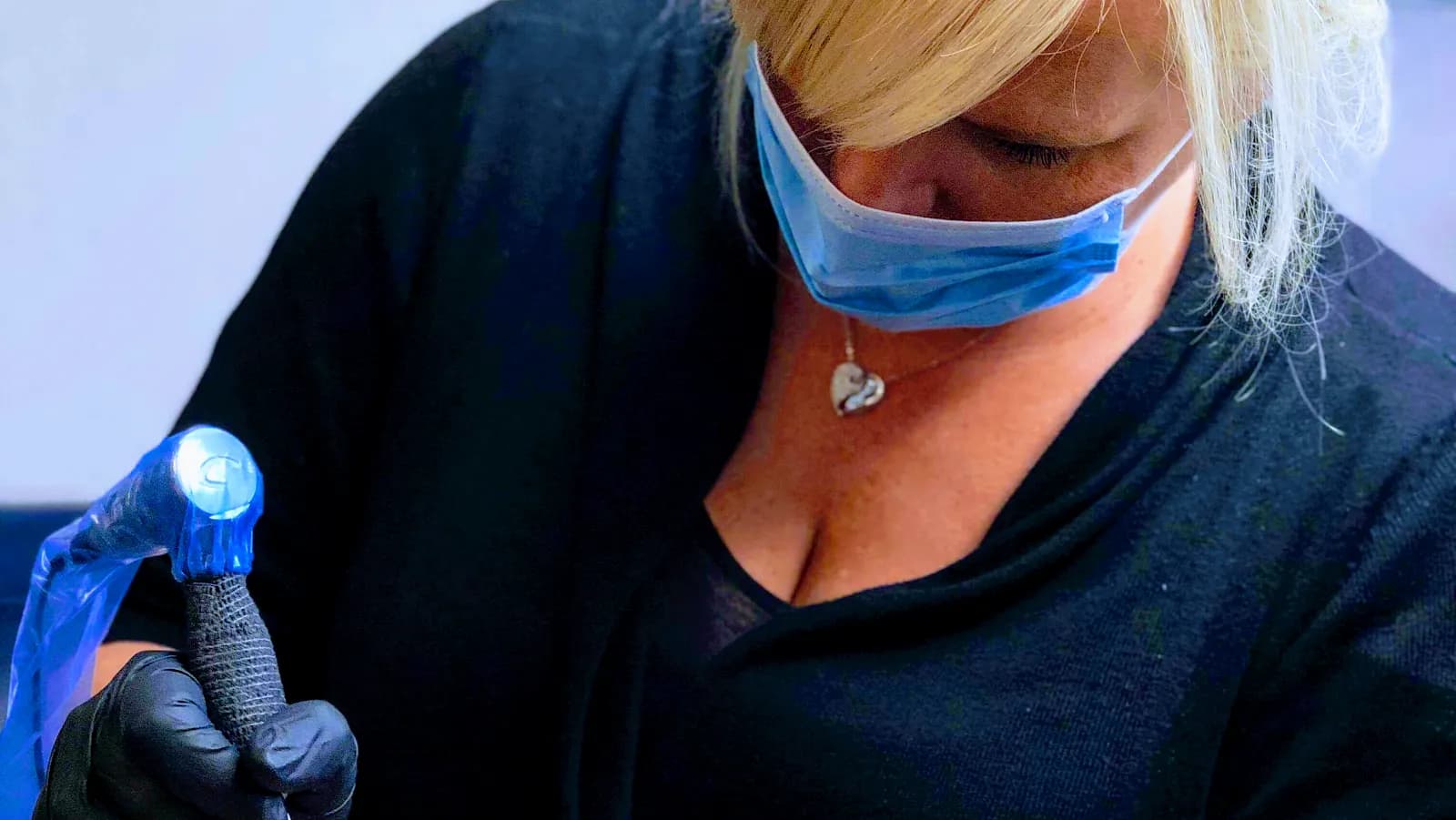
What is scalp micropigmentation?
Scalp micropigmentation, often shortened to SMP, is a cosmetic procedure where a technician deposits tiny dots of pigment into the upper layer of the scalp to mimic the look of shaved hair follicles. Many people call it a hair tattoo or a scalp tattoo, and that nickname is fair, the equipment and pigment-deposit technique resemble tattooing, applied with a method built specifically for the scalp.
SMP is entirely cosmetic and non-surgical. No hair is grown, transplanted or regrown, the effect is visual, closely spaced pigment deposits that read as stubble or added density from a normal viewing distance. It is typically completed over multiple sessions, and because it is applied by hand, the result depends heavily on the individual artist, their training and their eye for hairline design and pigment matching.
What to expect, and questions to ask before booking
SMP results depend heavily on the individual artist, so it is worth doing the same homework before booking with any provider, this one included. These are general questions worth asking any SMP artist during a consultation, not a claim about how Scalp Envy SMP Studios specifically operates.
- Can I see healed results from real clients, not just fresh, just-finished photos?
- What is your specific training and experience with scalp work, separate from general tattoo or permanent-makeup experience?
- How many sessions will my treatment take, and what is the total cost including all of them?
- What pigment and technique do you use, and how do you match it to my skin tone?
- What is your touch-up policy, and roughly what does a touch-up cost once the pigment softens?
- What hygiene and sterilization practices do you follow for each session?
Scalp micropigmentation FAQ
Is scalp micropigmentation the same as a hair tattoo?
Yes, in practice they refer to the same thing. Hair tattoo and scalp tattoo are common nicknames for scalp micropigmentation because the equipment and pigment-deposit technique resemble tattooing, applied with a method built specifically for the scalp rather than skin art elsewhere on the body.
Does SMP hurt?
Most clients describe it as mild discomfort rather than significant pain, closer to a scratching or vibrating sensation than a deep sting. Sensitivity varies across the scalp and from person to person, since nerve density is not uniform across the head. Numbing approaches and session length vary by provider, so ask about their process during your consultation.
How many sessions does SMP take?
Most treatments are completed over multiple sessions, commonly two to four, spaced apart to let the scalp heal and the pigment settle between visits. The exact number depends on the area being treated, your skin, and the look you want. Confirm the session structure and what is included in the quoted price during your consultation.
How long does SMP last, and how often are touch-ups needed?
SMP is considered semi-permanent. The pigment softens and fades gradually over a period of years, and many clients book periodic touch-up sessions to keep the result crisp. How long it holds varies with skin type, sun exposure and aftercare, so ask each provider what they realistically expect and how they price touch-ups.
Can SMP cover a hair transplant scar?
Yes, camouflaging FUT or FUE hair transplant scars is one of the more common uses of SMP. Pigment is deposited into and around the scar tissue so it blends with the surrounding scalp instead of standing out as a lighter or textured line. Scar tissue can take pigment differently than regular scalp skin, so it is worth choosing a provider with specific scar-camouflage experience.
Is scalp micropigmentation permanent?
Not in the way a hair transplant is. SMP pigment is deposited into the upper dermis and fades gradually over years rather than staying fixed forever or disappearing suddenly. Most people treat it as semi-permanent and maintain it with occasional touch-up sessions rather than a single one-time treatment.